
For parents · The Prophets
The story of the People of the Cave and their dog, for kids
The short answer
The People of the Cave were a few young believers who left a town that worshipped others besides Allah. They sheltered in a cave with their dog, and Allah made them sleep for 309 years. When they woke, everything had changed, and their story became a sign that Allah’s promise is true. It is told in Surah Al-Kahf.
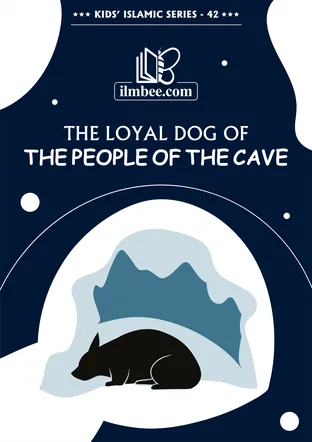
The People of the Cave, Ashab al-Kahf in Arabic, were a few young men who chose Allah when everyone around them did not, and Allah looked after them in the most amazing way. Children love this story for the long, long sleep, and for the dog who stayed with them. Here it is retold from Surah Al-Kahf for you to read aloud, with the lessons, questions to ask afterwards and where each part is.
Who were the People of the Cave?
They were young believers, “youths who believed in their Lord” (18:13), living in a town whose people worshipped others besides Allah (18:15). They were not Prophets, and the Qur’an does not give their names or their exact number. Allah tells their story in Surah 18, which is named Al-Kahf, “The Cave”, after them.
The story of the People of the Cave, to read aloud
The numbers in brackets are the surah and ayah, for you rather than for reading aloud.
Long ago there was a town where the people had forgotten Allah. They worshipped idols instead of Him (18:15).
But a few young men in that town believed in Allah. Allah made their hearts strong, and they stood up and said: “Our Lord is the Lord of the heavens and the earth. We will never call on any god besides Him” (18:14).
It was not safe for them to stay. So they left the town to find a safe place where they could worship Allah (18:16). As they walked towards the mountains, a dog came along with them.
They found a cave and went inside, and they made dua: “Our Lord, give us mercy from You, and guide us to what is right” (18:10).
Then Allah made them fall into a deep sleep (18:11). Their dog lay at the entrance of the cave, with his front legs stretched out (18:18).
Allah looked after them while they slept. The sun did not shine straight on them: in the morning it moved away from the cave to the right, and in the evening it passed them by on the left (18:17). Allah turned them over in their sleep, to the right and to the left (18:18). Anyone who looked in would have thought they were awake, and would have run away in fright (18:18).
Days went by, and years. Three hundred and nine years! (18:25)
Then Allah woke them up. “How long have we been here?” one of them asked. “A day,” they said, “or part of a day.” Then they said, “Our Lord knows best how long we have stayed” (18:19).
They were hungry. So they sent one of them into town with a silver coin to buy some good, pure food, and told him to be very careful (18:19).
But when he reached the town, everything had changed. It was a whole new time, with new people. Allah let the people find out about the young men in the cave, so that everyone would know that Allah’s promise is true (18:21).
The dua of the People of the Cave
رَبَّنَا آتِنَا مِن لَّدُنكَ رَحْمَةً وَهَيِّئْ لَنَا مِنْ أَمْرِنَا رَشَدًا
Rabbana atina min ladunka rahmatan wa hayyi’ lana min amrina rashada
“Our Lord, give us mercy from Yourself, and set right our affair for us.”
Qur’an 18:10
What does the story teach children?
- Stand firm for Allah, even when others do not. The young men believed when their whole town did not, and Allah made their hearts strong.
- Good friends help each other do right. They stayed together, and the dog stayed with them all the way.
- Make dua when you are worried. In the cave they asked Allah for mercy and for help, and He gave it.
- Allah protects those who trust Him. He kept them safe for 309 years, even moving the sun’s light away from them.
- Say “in sha Allah”. Right after this story, Allah teaches us never to say we will do something tomorrow without adding “if Allah wills” (18:23-24).
What can I ask my child after the story?
- Why did the young men leave their town?
- What did they ask Allah for in the cave?
- Where did their dog sit?
- How long did they sleep? How did Allah look after them?
- What do we say when we plan to do something tomorrow?
What age is this story for?
From about four, the long sleep and the faithful dog make a lovely short story. From six or seven, add why the young men left their town, and teach “in sha Allah”. From about nine, read Al-Kahf 18:9-26 together in a translation you trust, and talk about why the Qur’an tells us not to argue over details Allah has not told us, such as their number (18:22).
Where is the story of the People of the Cave in the Qur’an?
- Al-Kahf 18:9-12: The young men, their dua and their sleep
- Al-Kahf 18:13-16: Their faith, and why they left their town
- Al-Kahf 18:17-18: The sun, the turning, and the dog at the entrance
- Al-Kahf 18:19-21: Waking up, the silver coin, and the town finding them
- Al-Kahf 18:22-26: Their number; “in sha Allah”; 309 years
Which ilmbee book tells this story?
The Loyal Dog of the People of the Cave (Book 42) tells this story for children aged 4 to 11, and the retelling above follows it. It is narrated, like every book in Series 01: with Read to me, each word lights up as it is read; with Watch, the pages turn by themselves. The first three books of the series are free to read now. For more Qur’an stories in the order to tell them, see Stories of the Prophets for kids.
The books in this guide
From ilmbee Series 01, 100 illustrated books read in order. The first 3 are free to read.
Frequently asked questions
How long did the People of the Cave sleep?
Three hundred and nine years: the Qur’an says three hundred years, and nine more (18:25), and that Allah knows best how long they stayed (18:26).
How many People of the Cave were there?
Allah knows best. The Qur’an mentions people saying three, five or seven, each with their dog, and says only a few know their number (18:22).
What was the name of the dog of the People of the Cave?
The Qur’an does not give the dog a name; it is simply “their dog” (18:18; 18:22). Names found in some books do not come from the Qur’an.
Which surah is the story of the People of the Cave in?
Surah Al-Kahf, “The Cave”, Surah 18, in verses 9 to 26.
What dua did the People of the Cave make?
“Rabbana atina min ladunka rahmatan wa hayyi’ lana min amrina rashada”: our Lord, give us mercy from Yourself, and set right our affair for us (18:10).
Why is Surah Al-Kahf special?
The Prophet ﷺ said that whoever memorises the first ten verses of Surah Al-Kahf will be protected from the Dajjal (Sahih Muslim 809), and those verses lead into this very story.
Sources
Qur'an references are given as surah:ayah, with the meaning in plain English. Hadith are from the collections named.
- Qur’an 18:9-12 (Al-Kahf): the companions of the cave; the youths take refuge and pray “Our Lord, give us mercy from Yourself and set right our affair for us” (18:10); their sleep for years; then they were raised.
- Qur’an 18:13-16 (Al-Kahf): youths who believed in their Lord, increased in guidance; their hearts made firm; “Our Lord is the Lord of the heavens and the earth”; their people took gods besides Him; retreat to the cave and your Lord will spread His mercy for you.
- Qur’an 18:17-18 (Al-Kahf): the sun inclines away from the cave as it rises and passes them as it sets; you would think them awake; turned to the right and left; their dog stretching his forelegs at the entrance.
- Qur’an 18:19-21 (Al-Kahf): “How long have you stayed?” “A day or part of a day”; one sent to the town with silver coins for the purest food, carefully; Allah made them known so people would know His promise is true and the Hour is certain.
- Qur’an 18:22 (Al-Kahf): three, five or seven, with their dog; my Lord knows best their number.
- Qur’an 18:23-24 (Al-Kahf): never say of anything “I will do that tomorrow” without “if Allah wills”.
- Qur’an 18:25-26 (Al-Kahf): they stayed in their cave three hundred years and added nine; Allah knows best how long they stayed.
- Sahih Muslim 809: whoever memorises ten verses from the beginning of Surah Al-Kahf is protected from the Dajjal.