
For parents · The Prophets
Stories of the Prophets for kids, and the order to tell them in
The short answer
Tell the stories of the Prophets roughly in the order they were sent: Adam first, then Nuh, Ibrahim, Yusuf, Musa and Isa, alayhimus salaam, ending with Muhammad ﷺ, the last Prophet. For ages 4 to 7, tell one short story at a time, from the Qur'an and authentic hadith. From about 8, join them into one timeline.
The stories of the Prophets are some of the first stories Muslim children hear, and they are some of the best. Allah says, "We relate to you the best of stories" (Qur'an 12:3) as He begins the story of Yusuf, and says that in the Prophets' stories "there is a lesson for people of understanding" (Qur'an 12:111). This guide covers how many Prophets there are, the order they came in, which stories to tell a young child first, and how to tell them truthfully.
How many Prophets are there in Islam?
Allah sent many Prophets and messengers, more than we know by name. He says there are messengers He has told us about and messengers He has not (Qur'an 4:164), and that He sent a messenger to every nation (Qur'an 16:36). Twenty-five are named in the Qur'an. The last of them is Muhammad ﷺ, "the Seal of the Prophets" (Qur'an 33:40); no Prophet comes after him.
In what order were the Prophets sent?
This is the order the 25 Prophets named in the Qur'an are commonly taught in:
- Adam
- Idris
- Nuh
- Hud
- Salih
- Ibrahim
- Lut
- Ismail
- Ishaq
- Yaqub
- Yusuf
- Ayyub
- Shu'aib
- Musa
- Harun
- Dhul-Kifl
- Dawud
- Sulaiman
- Ilyas
- Al-Yasa'
- Yunus
- Zakariyya
- Yahya
- Isa
- Muhammad ﷺ
The Qur'an does not give dates, and scholars differ on where some Prophets belong, such as Ayyub, Dhul-Kifl and Yunus. Several lived at the same time: Lut with Ibrahim, Harun with his brother Musa, Yahya with Isa. Treat this as a teaching order, not a ruling.
Which Prophets' stories should I tell first?
For ages 4 to 7, choose stories with one clear lesson and something a child can picture. This telling order follows the timeline and gives each story one lesson to hold on to. The ilmbee book for each is listed beside it.
- Adam, the first human and the first Prophet. Allah made him and taught him (Qur'an 2:30-37). Lesson: Allah made us, and He forgives those who turn back to Him. Adam: The First Human, the First Prophet (Book 27).
- Nuh and the ark. He called his people for a very long time and built the ark as Allah told him (Qur'an 11:25-49). Lesson: patience, and trusting Allah. Prophet Nuh and the Great Ark (Book 79).
- Salih and the she-camel. Allah sent a she-camel as a sign to his people (Qur'an 7:73). Lesson: respect Allah's signs and obey Him. The She-Camel of Prophet Saleh (Book 48).
- Ibrahim. He called his people to worship Allah alone (Qur'an 6:74-83), and asked Allah to show him how He gives life (Qur'an 2:260). Lesson: Allah alone deserves worship. The Twinkling Star and Ibrahim (Book 45) and Prophet Ibrahim and the Four Birds (Book 64).
- Ismail and the ram. A father and son who both obeyed Allah (Qur'an 37:100-111). Lesson: trust and obedience. Ismail and the Ram (Book 39).
- Yusuf. From the well to the palace, and forgiving his brothers (Surah Yusuf, 12). Lesson: patience and forgiveness. The Shirt of Prophet Yousuf (Book 47).
- Musa. Saved as a baby in the river and raised in Pharaoh's palace (Qur'an 28:7-13), given his staff as a sign (Qur'an 20:17-23) and nine clear signs (Qur'an 17:101). Lesson: Allah protects those who trust Him. Asiya Found a Baby in the Basket (Book 80), The Stick of Musa (Book 46) and The Nine Signs to Pharaoh (Book 29).
- Sulaiman and the hoopoe. A king who understood the birds and thanked Allah for it (Qur'an 27:20-44). Lesson: gratitude. Prophet Sulaiman and the Hoopoe Bird (Book 66).
- Yunus and the whale. His dua from the darkness (Qur'an 21:87-88). Lesson: turning to Allah in any trouble. Prophet Yunus and the Whale (Book 81).
- Muhammad ﷺ, the last Prophet. Start with his kindness to children and animals. Lesson: he is the best example for us. Prophet Muhammad (Book 12).
The Qur'an also tells stories of people who were not Prophets, and children love them: the young men of the cave and their dog, the people of the garden, the army of the elephant. Series 01 includes several, such as The Loyal Dog of the People of the Cave (Book 42), The People of the Garden (Book 62) and Birds Throw Pebbles (Book 25).
How do I tell a Prophet's story to a young child?
- Stay with the sources. The Qur'an and authentic hadith give you more than enough. Many popular retellings add names, conversations and miracles that have no source, and children remember the extra details best.
- One story, one lesson. Say the lesson in a sentence at the end: "Yunus remembered Allah even in the dark, so we can too."
- Speak with honour. The Prophets are the best of people. Say "alayhis salaam" after their names, and never make a Prophet the joke of the story.
- Tell the hard parts gently. Some stories include a flood or a cruel king. For little ones, keep the focus on how Allah saved the believers.
- Let them tell it back. The next day, ask your child to tell you the story. What they remember shows you what they understood.
When should children learn the order of the Prophets?
From around eight, children enjoy seeing how the stories fit together. Draw a timeline along a wall, and add a Prophet each time you finish his story. Show the family connections: Ibrahim's son Ismail, and from Ismail's descendants, the Prophet Muhammad ﷺ (Sahih Muslim); Ibrahim's son Ishaq, his son Yaqub, and Yaqub's son Yusuf, who spoke of following "the way of my fathers, Ibrahim, Ishaq and Yaqub" (Qur'an 12:38). Seeing one family of Prophets across generations helps a child understand that they all brought the same message: worship Allah alone.
Series 01 places the Prophets' stories after the books about Allah, creation, salah and manners, so a child meets them with those foundations in place. The full list of 100 books shows the whole order.
The books in this guide
From ilmbee Series 01, 100 illustrated books read in order. The first 3 are free to read.
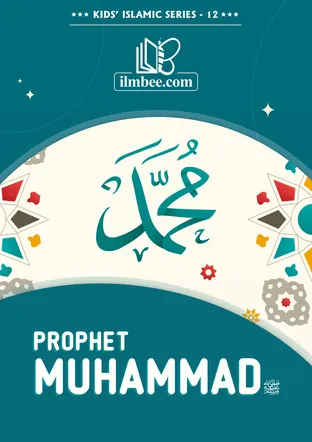 Book 12Prophet MuhammadSeerah & Companions
 Book 25Birds Throw PebblesProphets & Quran Stories
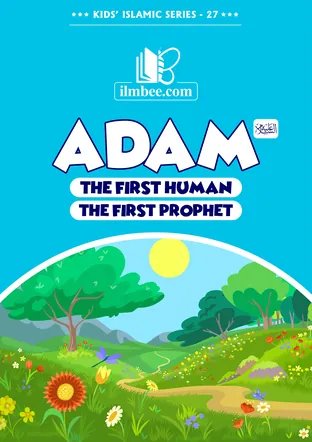 Book 27Adam: The First Human, the First ProphetProphets & Quran Stories
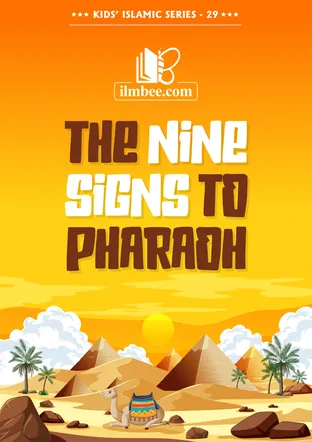 Book 29The Nine Signs to PharaohProphets & Quran Stories
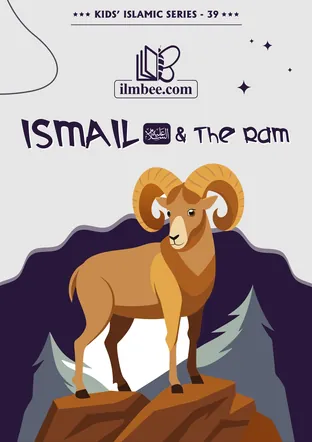 Book 39Ismail and the RamProphets & Quran Stories
 Book 42The Loyal Dog of the People of the CaveProphets & Quran Stories
 Book 45The Twinkling Star and IbrahimProphets & Quran Stories
 Book 46The Stick of MusaProphets & Quran Stories
 Book 47The Shirt of Prophet YousufProphets & Quran Stories
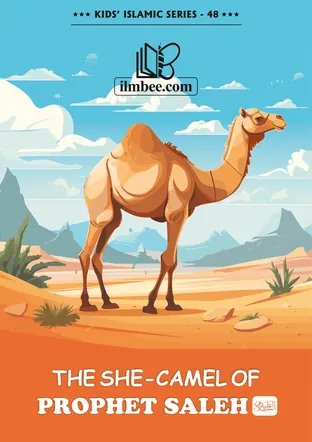 Book 48The She-Camel of Prophet SalehProphets & Quran Stories
 Book 62The People of the GardenProphets & Quran Stories
 Book 64Prophet Ibrahim and the Four BirdsProphets & Quran Stories
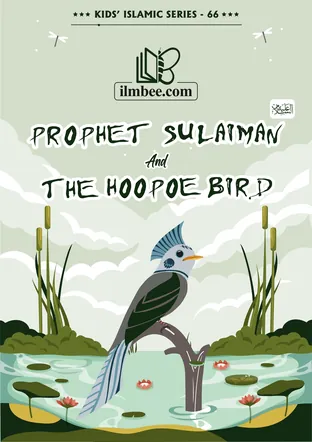 Book 66Prophet Sulaiman and the Hoopoe BirdProphets & Quran Stories
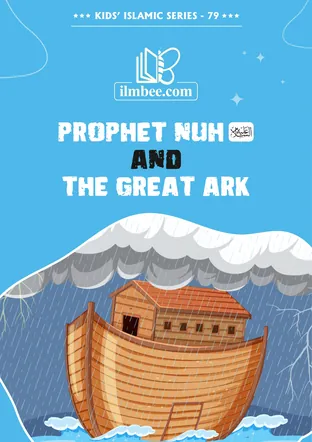 Book 79Prophet Nuh and the Great ArkProphets & Quran Stories
 Book 80Asiya Found a Baby in the BasketProphets & Quran Stories
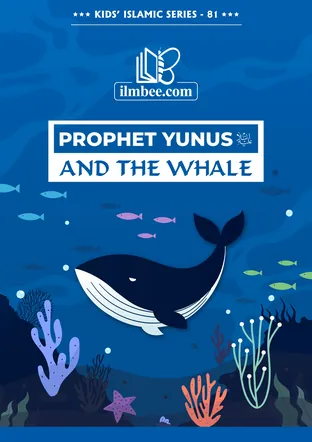 Book 81Prophet Yunus and the WhaleProphets & Quran Stories
Frequently asked questions
How many Prophets are mentioned in the Qur'an?
Twenty-five Prophets are named in the Qur'an, from Adam to Muhammad ﷺ. Allah tells us He also sent messengers whose stories He did not tell us (Qur'an 4:164).
Who was the first Prophet in Islam?
Adam, alayhis salaam, the first human, was also the first Prophet. Nuh, alayhis salaam, is described as the first of the messengers sent to the people of the earth, in the hadith of intercession (Sahih al-Bukhari and Sahih Muslim).
Who was the last Prophet?
Muhammad ﷺ. The Qur'an calls him "the Seal of the Prophets" (Qur'an 33:40), and no Prophet comes after him.
Which Prophet stories are best for toddlers and preschoolers?
Stories with animals and one clear picture work best: Nuh and the ark, Yunus and the whale, Sulaiman and the hoopoe, and Salih and the she-camel. Keep each to a few minutes, and repeat favourites often.
At what age should I start telling my child stories of the Prophets?
From around three or four, in short, simple versions. Between four and seven, one story at a time with one lesson. From about eight, children can follow the full timeline and longer stories, such as Yusuf and Musa.
Sources
Qur'an references are given as surah:ayah, with the meaning in plain English. Hadith are from the collections named.
- Qur'an 4:164 (An-Nisa): messengers We have told you about, and messengers We have not.
- Qur'an 16:36 (An-Nahl): to every nation We sent a messenger.
- Qur'an 33:40 (Al-Ahzab): Muhammad ﷺ is the Messenger of Allah and the Seal of the Prophets.
- Qur'an 12:3 (Yusuf): We tell you the best of stories.
- Qur'an 12:111 (Yusuf): in their stories there is a lesson for people of understanding.
- Qur'an 12:38 (Yusuf): Yusuf follows the way of his fathers, Ibrahim, Ishaq and Yaqub.
- Qur'an 2:30-37 (Al-Baqarah): Adam.
- Qur'an 11:25-49 (Hud): Nuh and the ark.
- Qur'an 7:73 (Al-A'raf): Salih and the she-camel of Allah.
- Qur'an 6:74-83 (Al-An'am): Ibrahim calls his people to Allah; 2:260 (Al-Baqarah): Ibrahim and the four birds.
- Qur'an 37:100-111 (As-Saffat): Ibrahim, Ismail and the ram.
- Qur'an 12:93 (Yusuf): Yusuf's shirt.
- Qur'an 28:7-13 (Al-Qasas): baby Musa in the river, and the wife of Pharaoh.
- Qur'an 20:17-23 (Ta-Ha): the staff of Musa; 17:101 (Al-Isra): nine clear signs.
- Qur'an 27:20-44 (An-Naml): Sulaiman and the hoopoe.
- Qur'an 21:87-88 (Al-Anbiya) and 37:139-148 (As-Saffat): Yunus.
- Qur'an 18:9-26 (Al-Kahf): the young men of the cave and their dog; 68:17-33 (Al-Qalam): the people of the garden; 105:1-5 (Al-Fil): the army of the elephant.
- Sahih al-Bukhari 4712; Sahih Muslim 194: in the hadith of intercession, Nuh is called the first of the messengers to the people of the earth.
- Sahih Muslim 2276: Allah chose the Prophet ﷺ from the descendants of Ismail.