
For parents · The Prophets
The story of Surah Al-Fil for kids: the elephant army and the birds
The short answer
Surah Al-Fil tells how Allah protected the Kaaba. In the year the Prophet Muhammad ﷺ was born, Abraha, the ruler of Yemen, marched on Makkah with an army and elephants to destroy it. Allah sent flocks of birds that pelted the army with stones of baked clay, and the army was destroyed. That year is called the Year of the Elephant.
Surah Al-Fil, “The Elephant”, is one of the short surahs many children learn early, and it tells a story they never forget: a huge army with elephants, a little city that could not fight back, and birds sent by Allah. Here is the story behind it, told in simple words you can read aloud, with the meaning of each verse, the lessons, and questions to ask your child afterwards.
What is Surah Al-Fil about?
Surah Al-Fil is Surah 105 of the Qur’an, five short verses about “the companions of the elephant”: an army that came to destroy the Kaaba in Makkah, and how Allah stopped it. It happened about forty years before the Prophet Muhammad ﷺ began to receive the Qur’an, so the people of Makkah who first heard this surah knew the story well. Historians of the seerah record that the Prophet ﷺ was born in that same year, which the Arabs called the Year of the Elephant.
The story of the elephant army, to read aloud
The numbers in brackets are the surah and ayah, for you rather than for reading aloud. When you say the name of the Prophet Muhammad, add “sallallahu alayhi wa sallam”.
In the city of Makkah stands the Kaaba, the House of Allah. Prophet Ibrahim and his son Ismail built it, long ago, so that people could worship Allah there (2:127). Even today, Muslims from all over the world come to walk around it seven times. This is called tawaf.
Long ago, before the Prophet Muhammad ﷺ was born, there was a ruler in Yemen named Abraha. He did not like that people loved the Kaaba and travelled to it every year. So he decided to knock it down.
Abraha gathered a huge army, with many soldiers and big elephants, and they marched towards Makkah.
The people of Makkah were frightened. They could not fight such a big army. But the Kaaba is the House of Allah, and Allah protects His House.
When the army came near Makkah, the elephant would not go forward. Allah was holding it back. Many years later, the Prophet ﷺ spoke of Allah as “the One who held back the elephant” (Sahih al-Bukhari 2731).
Then Allah sent birds. They came in flocks, group after group, filling the sky (105:3). Each bird carried little stones made of baked clay (105:4), and they threw them down on the army.
The stones were small, but Allah made them strong. The great army was destroyed, left like dry straw that animals have eaten (105:5).
And the Kaaba was safe. Allah had protected His House.
What does each verse of Surah Al-Fil mean?
This is a simple paraphrase of the meaning, to go with your child’s memorising:
- Have you not seen what your Lord did to the companions of the elephant? (105:1)
- Did He not make their plan go wrong? (105:2)
- He sent against them birds, in flocks. (105:3)
- They pelted them with stones of baked clay. (105:4)
- And He made them like straw that has been eaten up. (105:5)
What does Surah Al-Fil teach children?
- Allah protects His House. The people of Makkah could not stop the army, but Allah could, with something as small as a bird.
- No one is stronger than Allah. Big armies, big elephants and big plans are nothing next to Allah’s power.
- Pride ends in loss. Abraha was proud of his army and wanted to destroy something precious to Allah. His plan came to nothing (105:2).
- Trust Allah when you feel small. When we cannot fix something ourselves, we can still turn to Allah.
What can I ask my child after the story?
- Who wanted to knock down the Kaaba?
- What big animals were in his army?
- What did Allah send to stop the army?
- What did the birds carry?
- Which Prophet was born in the Year of the Elephant?
What age is the story of Surah Al-Fil for?
From about four. The surah is short, so many children memorise it between five and seven, and telling the story first makes the words come alive. Keep the end simple for little ones: the army “could not hurt the Kaaba, because Allah protected it”. From about eight, children can learn the meaning of each verse above, and the words ababil (flocks) and sijjil (baked clay).
Where is the story in the Qur’an?
- Al-Fil 105:1-5: The companions of the elephant, the birds and the stones
- Sahih al-Bukhari 2731: “The One who held back the elephant”
- Al Imran 3:96: The Kaaba, the first House of worship
- Al-Baqarah 2:127: Ibrahim and Ismail build the Kaaba
Which ilmbee book tells this story?
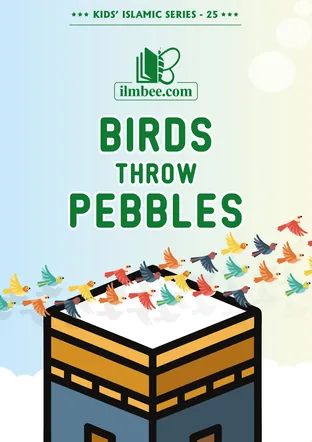
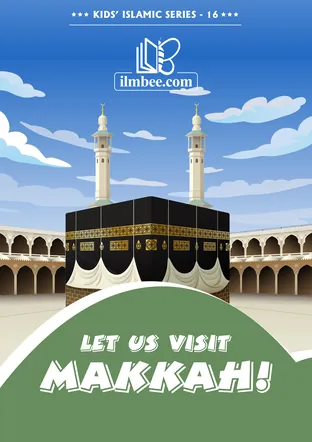
Birds Throw Pebbles (Book 25) tells the story of Surah Al-Fil for children aged 4 to 11, and the retelling above follows it. It is narrated, like every book in Series 01: with Read to me, each word lights up as it is read; with Watch, the pages turn by themselves. The first three books of the series are free to read now. To learn more about the Kaaba, there is also Let Us Visit Makkah (Book 16).
The books in this guide
From ilmbee Series 01, 100 illustrated books read in order. The first 3 are free to read.
Frequently asked questions
What is the story of Surah Al-Fil?
It is the story of an army with elephants that came to destroy the Kaaba, and of the flocks of birds Allah sent, which pelted the army with stones of baked clay until it was destroyed (105:1-5).
What are the Ababeel birds?
Ababil is the Qur’an’s word for birds coming in flocks, group after group (105:3). It describes how the birds came, rather than naming a kind of bird.
Who was Abraha?
The ruler of Yemen at that time, who led the army with elephants against the Kaaba. His name comes from the history books; the Qur’an calls his army “the companions of the elephant” (105:1).
What is the Year of the Elephant?
The year Abraha’s army was destroyed near Makkah. Historians of the seerah record that the Prophet Muhammad ﷺ was born in that same year.
What did the birds throw at the army?
Stones of sijjil, baked clay (105:4). The scholars of tafsir describe them as small stones, carried by each bird in its beak and its feet.
Why is the Kaaba so important?
It is the House of Allah, the first house set up for people to worship Him (3:96), and Ibrahim and Ismail raised its foundations (2:127).
Sources
Qur'an references are given as surah:ayah, with the meaning in plain English. Hadith are from the collections named.
- Qur’an 105:1-5 (Al-Fil): how your Lord dealt with the companions of the elephant; He made their plan go astray; He sent against them birds in flocks (ababil); striking them with stones of baked clay (sijjil); and made them like straw eaten up.
- Sahih al-Bukhari 2731: at al-Hudaybiyah the Prophet ﷺ said of his kneeling camel that she was held back by the One who held back the elephant.
- Qur’an 3:96 (Al Imran): the first House set up for people is the one at Bakkah (Makkah).
- Qur’an 2:127 (Al-Baqarah): Ibrahim and Ismail raised the foundations of the House.
- Qur’an 22:29 (Al-Hajj): let them circle around the Ancient House (tawaf).