
For parents · The Prophets
The story of Prophet Musa for kids: the staff, Pharaoh and the sea
The short answer
Prophet Musa, alayhis salaam, was a Prophet Allah spoke to directly. As a baby, Allah saved him from Pharaoh in a box on the river. Later, Allah sent him to Pharaoh with signs, like his staff that became a snake. When Pharaoh’s army chased the believers, Musa struck the sea with his staff, and it parted.
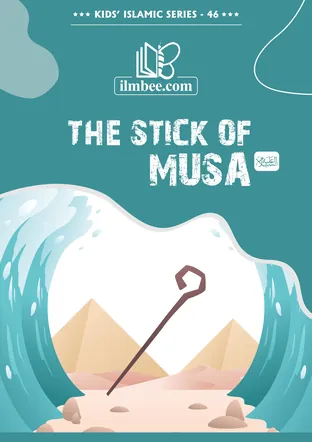
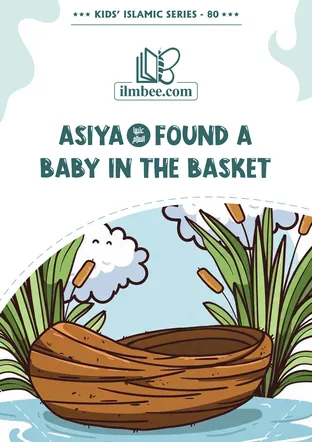
Prophet Musa, alayhis salaam (Moses in English), is the Prophet whose story the Qur’an returns to most often, and children love it: a baby on a river, a staff that turns into a snake, and a sea that opens into a road. Here is his story retold from the Qur’an for you to read aloud, then the lessons, questions to ask afterwards and where each part is in the Qur’an.
Who was Prophet Musa?
Musa, alayhis salaam, was one of the greatest messengers. He is called Kalimullah, because Allah spoke to him directly (4:164). Allah sent him, with his brother Harun, to Pharaoh, the cruel king of Egypt, and to save the Children of Israel. Allah gave Musa the Tawrah, a book of guidance for the Children of Israel (17:2).
The story of Prophet Musa, to read aloud
The numbers in brackets are the surah and ayah, for you rather than for reading aloud. When you say his name, add “alayhis salaam”: peace be upon him.
A baby on the river
When Musa, alayhis salaam, was a baby, Pharaoh was so cruel that mothers were afraid for their baby boys. Allah told Musa’s mother to put him in a box and set it on the river, and promised to bring him back to her. The river carried him to Pharaoh’s own palace, where Pharaoh’s wife, Asiya, loved him at once, and Allah brought him back to his mother to feed him (28:7-13). That part of the story is told in full in the story of Asiya and baby Musa.
The fire on the mountain
Musa grew up. Years later, he was travelling at night with his family when he saw a fire on the side of a mountain (28:29). “Wait here,” he said. “Maybe I can bring you some news, or a burning stick to keep you warm.”
When he came close to it, Allah called to him: “O Musa! I am your Lord. Take off your shoes. You are in the sacred valley of Tuwa” (20:11-12). “I am Allah. There is no god but Me. So worship Me, and pray, to remember Me” (20:14).
Then Allah asked: “What is that in your right hand, O Musa?” Musa said: “It is my staff. I lean on it, I knock down leaves with it for my sheep, and I use it for other things too” (20:17-18).
“Throw it down, O Musa,” said Allah. Musa threw it, and it became a snake, moving fast! “Pick it up, and do not be afraid,” said Allah. “We will turn it back as it was” (20:19-21). Then Allah told him to put his hand under his arm, and it came out shining white, without any harm (20:22).
“Go to Pharaoh,” said Allah. “He has gone too far” (20:24). This was a very hard job. So Musa made dua: “My Lord, open my heart for me. Make my task easy for me. Untie the knot from my tongue, so they understand what I say” (20:25-28). He asked for his brother Harun to help him, and Allah said yes (20:29-36). Allah told them both: “Speak to him gently” (20:44).
Pharaoh’s magicians
Pharaoh would not believe. He called all his best magicians to beat Musa. They threw down their ropes and sticks, and with their magic they seemed to be wriggling about (20:66). Musa felt afraid inside, but Allah said: “Do not be afraid. Throw what is in your right hand” (20:67-69).
Musa threw his staff, and it swallowed up everything they had made (7:117). The magicians knew this was not magic. They fell down in sujood and said: “We believe in the Lord of all the worlds, the Lord of Musa and Harun” (7:120-122).
The sea
Still Pharaoh would not believe, and he would not let the Children of Israel go. So Allah told Musa to leave at night with the believers (26:52). In the morning, Pharaoh and his army came after them (26:60).
When the believers reached the sea, they saw the army behind them. “We will be caught!” they cried. But Musa said: “No! My Lord is with me. He will guide me” (26:61-62).
Allah told Musa: “Strike the sea with your staff.” Musa struck it, and the sea split in two. Each side stood up like a huge mountain (26:63), with a dry path in between (20:77). Musa and the believers walked safely across. When Pharaoh and his army followed them in, the water closed over them (26:64-66).
Allah had saved the believers. Later, in the desert, when they were thirsty, Musa struck a rock with his staff, and twelve springs of water gushed out (2:60). And on the mountain, Allah gave Musa tablets of guidance for his people (7:145).
The dua of Musa before a hard task
رَبِّ اشْرَحْ لِي صَدْرِي وَيَسِّرْ لِي أَمْرِي
Rabbish-rah li sadri, wa yassir li amri
“My Lord, open my heart for me, and make my task easy for me.”
Qur’an 20:25-26
What does the story of Musa teach children?
- Allah is with those who trust Him. With the sea in front and an army behind, Musa said, “My Lord is with me” (26:62), and Allah made a way.
- Ask Allah for help with hard things. Before facing Pharaoh, Musa made dua. Your child can say his dua before a test, a new school or a hard job.
- Speak gently, even to someone unkind. Allah told Musa and Harun to speak gently to Pharaoh (20:44).
- The truth is stronger than tricks. The magicians’ tricks were swallowed up, and the magicians themselves believed.
- Brothers and sisters help each other. Musa asked Allah for Harun as his helper.
What can I ask my child after the story?
- What did Allah ask Musa at the fire? What was in his hand?
- What did Musa ask Allah for before going to Pharaoh?
- What happened when Musa threw down his staff in front of the magicians?
- What did Musa say when the army was behind them and the sea was in front?
- When could you say, “My Lord is with me”?
What age is the story of Musa for?
From about four, tell the staff and the sea. From six or seven, add the magicians and the dua of Musa. Pharaoh’s cruelty and the drowning of his army can be told in a sentence for young children; the focus is on Allah saving the believers. From about nine, read Surah Ta-Ha (20:9-79) together in a translation you trust, and talk about the nine signs (17:101).
What were the nine signs of Musa?
Allah says He gave Musa nine clear signs (17:101; 27:12). The Qur’an mentions the staff and the shining hand (20:17-22), years of drought and a shortage of crops (7:130), and the flood, locusts, lice, frogs and blood (7:133). Many scholars count these as the nine, though some count them a little differently.
Where is the story of Musa in the Qur’an?
- Al-Qasas 28:7-13; Ta-Ha 20:38-40: The baby on the river
- Ta-Ha 20:9-36; Al-Qasas 28:29-35: The fire, the staff, the shining hand, Musa’s dua
- Al-A’raf 7:113-126; Ta-Ha 20:56-73: The magicians
- Ash-Shu’ara 26:52-68; Ta-Ha 20:77-79: Leaving Egypt and the parting of the sea
- Al-Baqarah 2:60: Twelve springs from the rock
Which ilmbee book tells the story of Musa?
The Stick of Musa (Book 46) tells the story of the staff for children aged 4 to 11, and Asiya Found a Baby in the Basket (Book 80) tells how Musa was saved as a baby. Both are narrated, like every book in Series 01: with Read to me, each word lights up as it is read; with Watch, the pages turn by themselves. The first three books of the series are free to read now.
The books in this guide
From ilmbee Series 01, 100 illustrated books read in order. The first 3 are free to read.
Frequently asked questions
What happened to Prophet Musa’s staff?
By Allah’s command it became a snake as a sign (20:19-21), swallowed the magicians’ tricks (7:117), parted the sea when Musa struck it (26:63), and brought twelve springs out of a rock (2:60).
What dua did Prophet Musa make?
Before going to Pharaoh he said, “Rabbish-rah li sadri, wa yassir li amri, wahlul ’uqdatan min lisani, yafqahu qawli”: my Lord, open my heart, make my task easy, and untie the knot from my tongue so they understand me (20:25-28).
Which sea did Prophet Musa cross?
The Qur’an simply calls it “the sea” (26:63). It is often called the Red Sea, but the Qur’an does not name it.
Who was Prophet Musa’s brother?
Harun, alayhis salaam, whom Allah made a Prophet to help Musa, at Musa’s request (19:53; 20:29-36).
Why do Muslims fast on the day of Ashura?
The Prophet ﷺ fasted on the day of Ashura because it was the day Allah saved Musa and his people from Pharaoh (Sahih al-Bukhari 2004; Sahih Muslim 1130).
Sources
Qur'an references are given as surah:ayah, with the meaning in plain English. Hadith are from the collections named.
- Qur’an 20:9-79 (Ta-Ha), 28:3-35 (Al-Qasas), 7:103-137 (Al-A’raf) and 26:10-68 (Ash-Shu’ara): the full passages on Musa and Pharaoh mapped in the table on this page.
- Qur’an 28:7-13 (Al-Qasas) and 20:38-40 (Ta-Ha): baby Musa in the chest on the river, raised in Pharaoh’s house and returned to his mother to nurse.
- Qur’an 4:164 (An-Nisa): Allah spoke to Musa directly.
- Qur’an 20:9-24 (Ta-Ha): the fire; “I am your Lord, remove your sandals, you are in the sacred valley of Tuwa”; “I am Allah, there is no god but Me, so worship Me and establish prayer”; “What is that in your right hand?”; the staff becomes a snake; the hand comes out white; go to Pharaoh.
- Qur’an 28:29-32 (Al-Qasas): the fire seen by the mountain while travelling with his family; the staff and the hand.
- Qur’an 20:25-36 (Ta-Ha): Musa’s dua “My Lord, expand my chest, ease my task, untie the knot from my tongue”; Harun as his helper.
- Qur’an 19:53 (Maryam): Allah gave Musa his brother Harun as a Prophet.
- Qur’an 20:43-44 (Ta-Ha): go to Pharaoh and speak to him gently.
- Qur’an 20:65-70 (Ta-Ha) and 7:113-122 (Al-A’raf): the magicians’ ropes and staffs seem to move; the staff swallows what they made; the magicians believe in the Lord of Musa and Harun.
- Qur’an 26:52-66 (Ash-Shu’ara): leave by night; Pharaoh pursues; “My Lord is with me, He will guide me”; strike the sea with your staff; it parts like great mountains; the believers saved.
- Qur’an 20:77 (Ta-Ha): strike for them a dry path through the sea.
- Qur’an 2:60 (Al-Baqarah): the staff strikes the rock and twelve springs gush out.
- Qur’an 7:145 (Al-A’raf): the tablets given to Musa.
- Qur’an 17:2 (Al-Isra): We gave Musa the Scripture and made it guidance for the Children of Israel.
- Qur’an 17:101 (Al-Isra) and 27:12 (An-Naml): nine clear signs; Qur’an 7:130-133 (Al-A’raf): years of drought and shortage of fruits; the flood, locusts, lice, frogs and blood.
- Sahih al-Bukhari 2004; Sahih Muslim 1130: the Prophet ﷺ fasted the day of Ashura, the day Allah saved Musa.