
For parents · Teaching
An Islamic studies reading plan for homeschoolers, by age
The short answer
A simple homeschool Islamic studies plan is one short reading, three or four days a week, in a set order: who Allah is, His creation, the Prophet ﷺ, salah and worship, manners, then the Prophets' stories and the seerah. Talk about each reading, review it with questions, and add memorisation and copywork to suit each child's age.
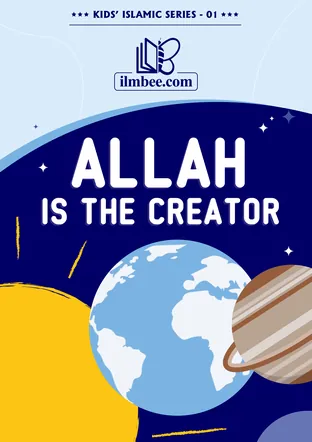
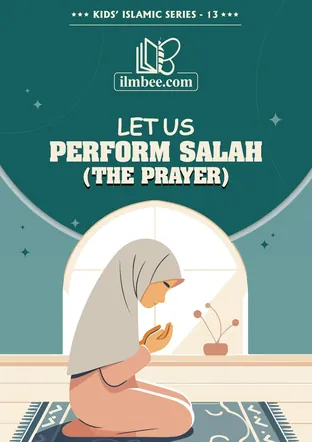
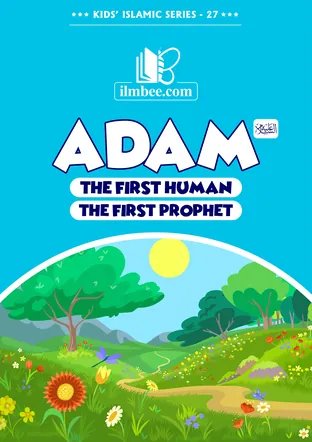
Homeschooling families often find Islamic studies the subject that is hardest to plan, because there is so much to choose from and so little that is put in order. The answer is not more material. It is a spine: one set of books read in a deliberate order, with a steady weekly rhythm around it. This guide gives you a plan you can start on Monday, adjusted for children aged 4 to 11.
What should an Islamic studies plan cover?
For the primary years, six strands cover the essentials:
- Aqeedah: who Allah is, His names and His mercy.
- Creation: the world as signs of Allah, which children can see and touch.
- The Prophet ﷺ and the Prophets: their stories, in order.
- Salah and worship: prayer, fasting, charity and the holy places.
- Adab: manners from the Sunnah, practised daily.
- Duas and the Qur'an: short surahs and duas, memorised a little at a time.
The order matters. A child who knows who Allah is understands why we pray. A child who knows how we pray understands the stories of people who prayed. That is why ilmbee's Series 01 starts with Allah is the Creator (Book 01), moves through creation to Prophet Muhammad (Book 12) and Let Us Perform Salah (Book 13), then manners from The Manners of Sleeping (Book 19), and only later the longer stories of the Prophets, from Adam: The First Human, the First Prophet (Book 27).
What should each age cover?
| Age | Focus | Memorise | Activities |
|---|---|---|---|
| 4 to 5 | Allah the Creator, creation, the Prophet ﷺ, eating and sleeping manners | Bismillah, Alhamdulillah, the sleeping dua, Surah al-Ikhlas | Listen and point, draw, nature walks |
| 6 to 7 | Salah, wudu, fasting, charity, the holy places, short Prophet stories | Surah al-Fatihah, short surahs, the duas of daily life | Retell the story, act it out, practise wudu and salah |
| 8 to 9 | The Prophets in order, the Companions, manners of speech and anger | More short surahs, the duas of the prayer | Timeline on the wall, write three sentences, copywork |
| 10 to 11 | The seerah, the Companions in depth, why we believe what we believe | Longer surahs, with meanings | Look up the source, explain it to a younger sibling, short projects |
What does a week look like?
Three or four sessions of 15 to 20 minutes each are enough. One rhythm that works for many families:
- Day 1, read: a new book, read together or read aloud by the device. Talk about it for a few minutes.
- Day 2, retell: your child tells the story back in their own words. Older children write it.
- Day 3, review: go through the book's review questions, then do one hands-on thing: a walk to look at what Allah made, practising wudu, a drawing.
- Day 4, memorise: five minutes on this week's surah or dua, then a second new book if the week allows.
Keep the sessions short and the rhythm steady. A small habit kept for a whole year teaches far more than an ambitious plan kept for a month.
How do I use Series 01 as a spine for the year?
Series 01 has 100 books in reading order, and each is about twenty pages, around four minutes to read. At three books a week, that is about 34 weeks, close to a school year:
- Term 1, Books 1 to 34: who Allah is, creation, the Prophet ﷺ, salah, worship and the holy places, the first manners, and the first stories.
- Term 2, Books 35 to 67: more of the Prophets' and Companions' stories, and good deeds.
- Term 3, Books 68 to 100: manners of speech and anger, the rights of others, the Prophets, the seerah, duas and worship.
Every book ends with a "Review your reading" page of questions, which gives you Day 3's review without any preparation. Each of up to four children can have their own profile, so siblings move through the books at their own pace, collecting honey, levels and certificates as they go. The full list of 100 books shows exactly what comes when.
How do I teach several ages at once?
Read one book to everyone. Picture books written for ages 4 to 11 work for the whole family, and children learn from hearing each other's answers. Then split the follow-up:
- 4 and 5: draw the story, or point to things in the pictures.
- 6 and 7: retell it, in order, out loud.
- 8 and 9: write three sentences: what happened, what it teaches, what they will do.
- 10 and 11: find the ayah or hadith behind the story and explain it to a younger sibling.
How do I check what they have understood?
Ask them to teach it. A child who can explain a story to a younger brother or sister has understood it. Narration, the child retelling in their own words, works at every age. Review questions show you the gaps. Keep formal testing light at this age: the aim is for children to love learning about their deen, and to keep asking the questions that lead to more. The Prophet ﷺ said that whoever takes a path seeking knowledge, Allah makes easy for them a path to Paradise (Sahih Muslim).
What can books not do?
A reading plan is the spine of Islamic studies, not the whole of it. Learning to recite the Qur'an needs a teacher who can hear your child and correct them; the Prophet ﷺ said, "The best of you are those who learn the Qur'an and teach it" (Sahih al-Bukhari). The details of how to pray are best learned from a teacher you trust. And children need the masjid, other Muslim families and the people they love praying alongside them. Books give all of that a shape and an order.
Teaching a homeschool co-op or a group? See Picture books in the classroom, or Series 01 for schools and co-ops.
The books in this guide
From ilmbee Series 01, 100 illustrated books read in order. The first 3 are free to read.
Frequently asked questions
How do I teach Islamic studies at home?
Pick an order of topics and a set of books to follow it, then keep a steady rhythm: read, talk, retell, review, and memorise a little. Three or four short sessions a week, kept up all year, work better than occasional long ones.
At what age should Islamic studies start in homeschool?
Gentle Islamic learning can begin from about four, with short stories about Allah and His creation, simple duas and the manners of daily life. A more structured plan, with review and memorisation, suits ages six and up.
How long should an Islamic studies lesson be for young children?
For ages 4 to 7, about 10 to 15 minutes: one short book, a conversation and a small activity. Ages 8 to 11 can manage 20 to 30 minutes, with writing or a short project.
Can one plan work for children of different ages?
Yes. Read the same book to everyone, then set tasks by age: drawing for the youngest, retelling for six- and seven-year-olds, a few written sentences for eight and nine, and looking up the source for ten and eleven.
Do I need a formal Islamic studies curriculum?
Not for the early years. An ordered set of sourced books, a weekly rhythm and regular review cover a great deal. Add a Qur'an teacher for recitation, and a structured course for fiqh as children get older.
Sources
Qur'an references are given as surah:ayah, with the meaning in plain English. Hadith are from the collections named.
- Qur'an 20:114 (Ta-Ha): "My Lord, increase me in knowledge."
- Sahih Muslim 2699: whoever takes a path seeking knowledge, Allah makes easy for him a path to Paradise.
- Sahih al-Bukhari 5027: "The best of you are those who learn the Qur'an and teach it."