
For parents · Worship
How to talk to children about Palestine and Masjid al-Aqsa
The short answer
Start with what Masjid al-Aqsa is: one of the three mosques Muslims travel to, the first qiblah, and the place of the Prophet's ﷺ Night Journey. Then answer questions about the suffering honestly but simply, keep frightening images away from young children, and give them something to do: make dua, give, and be just.


Children hear about Palestine at the masjid, at school, from cousins and on screens, often before their parents have said anything. Many Muslim parents want to talk about it but worry about frightening a small child, or about getting the words wrong. This guide gives you a gentle place to start, what to say at different ages, and how to turn sadness into something a child can do.
What is Masjid al-Aqsa, in words a child understands?
Start with love for the place, before anything about the news. Masjid al-Aqsa is in Jerusalem, in the land of Palestine, and it is one of the most special places for Muslims:
- It is in a blessed land. Allah took the Prophet ﷺ there by night, on the Night Journey, from the Ka'bah in Makkah to al-Masjid al-Aqsa, "whose surroundings We have blessed" (Qur'an 17:1).
- It was the first qiblah. The Prophet ﷺ and the Muslims prayed towards it for sixteen or seventeen months, before Allah turned the qiblah to the Ka'bah (Qur'an 2:142-144; Sahih al-Bukhari and Sahih Muslim).
- It is one of three special mosques. The Prophet ﷺ said not to set out on a journey to visit a masjid except three: al-Masjid al-Haram in Makkah, his own masjid in Madinah, and al-Masjid al-Aqsa (Sahih al-Bukhari and Sahih Muslim).
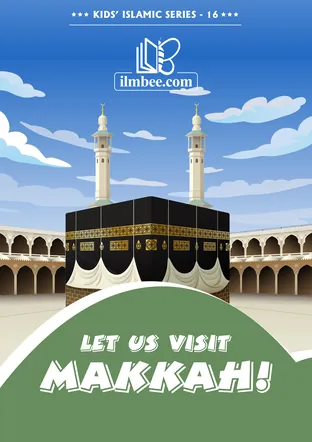
A child who knows Makkah, Madinah and al-Aqsa as three special places belonging to every Muslim has a warm, true foundation for everything else. In Series 01, Let Us Visit Makkah (Book 16) and Let Us Visit Madinah (Book 17) come just before Let Us Visit Palestine (Book 18), and The Night Journey (Book 91) tells the story of the Night Journey for children.
How much should I tell my child, and at what age?
- Ages 4 to 6: the place, and a simple truth. "Many people there, and many children, are having a very hard time. We make dua for them, and we help them." Small children do not need details, and graphic details can frighten them for a long time.
- Ages 7 to 9: honest, simple answers to the questions they ask. Yes, people are being hurt; yes, it is wrong; and yes, there are things we can do. Keep news footage away from them.
- Ages 10 and 11: more of the history, and more of their own questions. Talk about where news comes from, which sources can be trusted, and how to tell when something online is not true.
How do I start the conversation?
Begin by asking, not telling. "What have you heard about Palestine? How did it make you feel?" UNICEF's advice to parents on talking to children about conflict and war starts in the same place: find out what your child already knows, so you can correct anything wrong and answer the fear they actually have, not the one you imagine.
Then answer honestly and calmly, at their level. It is fine to say "I don't know" or "That's a hard question; let me think about it." It is fine to say you feel sad too. What children need most is to know that they are safe where they are, that the adults around them are calm, and that they can keep asking.
Some children ask, "Why doesn't Allah stop it?" Answer gently and truthfully: Allah sees everything, nothing is hidden from Him, and He is perfectly just. He says, "Never think that Allah is unaware of what the wrongdoers do" (Qur'an 14:42). Not everything is made right in this world, but everything will be made right by Him.
How do I protect my child from frightening images?
- Turn the news off when younger children are in the room, including the radio in the car.
- Watch the phones. Social media shows graphic images with no warning. Be careful what is on screens near children, including yours.
- Watch for signs of worry, such as changes in sleep, appetite or mood, or new fears about their own safety.
- Keep routines steady. Regular meals, salah, bedtime and a story are reassuring when the world feels frightening.
What can children actually do?
Feeling helpless is what frightens children most, so give them something real to do:
- Make dua. Make it a family habit, for example before iftar, after Maghrib or at bedtime. The Prophet ﷺ said the believers in their love, mercy and kindness are like one body: when one part hurts, the whole body feels it (Sahih al-Bukhari and Sahih Muslim). Dua is how a child's part of the body responds.
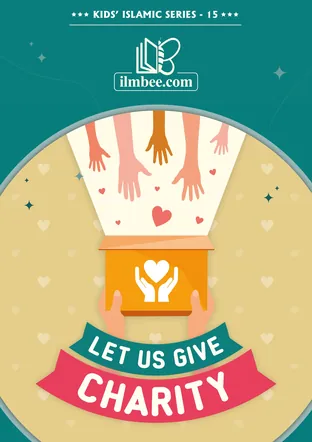
- Give. Let them give part of their own money, through a trusted, registered charity you have checked. Giving from their own pocket makes it theirs. Let Us Give Charity (Book 15) teaches the value of charity.
- Learn. Learn about Masjid al-Aqsa, its history and the Night Journey together, so their connection is built on knowledge and love.
- Be just and kind at home. Fairness to a sibling, honesty at school, helping a neighbour: children can live the values they want for the world.
How do I teach justice without hatred?
The Qur'an gives the answer directly: "Do not let the hatred of a people lead you to be unjust. Be just: that is nearer to righteousness" (Qur'an 5:8). Teach children to stand for justice and to speak up for people who are suffering, and also never to hate anyone for their race or religion, or to treat a classmate badly because of the news. UNICEF's guidance makes the same point about protecting children from prejudice. Justice, mercy and fairness to everyone are the values a Muslim child carries into every conversation.
What about my own feelings?
Many parents carry a great deal of sadness about Palestine. Children notice. It is fine to let them see that you care, but try to talk to them from a calm place, and find support for yourself from family, friends and your community. Your own dua and steadiness are part of what keeps your child steady.
The books in this guide
From ilmbee Series 01, 100 illustrated books read in order. The first 3 are free to read.

Frequently asked questions
How do I explain Palestine to a young child?
Start with the blessed land and Masjid al-Aqsa: a special masjid where the Prophet ﷺ prayed on the Night Journey. Then, simply: many people there, including children, are having a very hard and frightening time, so we make dua for them, we help them, and we ask Allah to bring them safety and justice.
Why is Masjid al-Aqsa important to Muslims?
It is one of the three mosques the Prophet ﷺ encouraged Muslims to travel to (Sahih al-Bukhari and Sahih Muslim), it was the first qiblah Muslims prayed towards, and Allah took the Prophet ﷺ there on the Night Journey, in the land He describes as blessed (Qur'an 17:1).
Should children watch the news about Palestine?
Young children should not see graphic news footage. Turn the news off when they are around, and be careful with phones and social media. Older children can follow the news with you, talking about what they see and which sources can be trusted.
How can children help the people of Palestine?
They can make dua, give part of their own money to a trusted, registered charity, learn about Masjid al-Aqsa and its history, and live the lesson at home through kindness and fairness. Doing something real helps children cope with sad news.
My child is scared after seeing the news. What should I do?
Stay close and calm, listen to what they saw and how they feel, and tell them they are safe where they are. Keep their routine steady, make dua together, and watch for changes in sleep or mood. If worry continues, talk to their teacher or a professional.
Sources
Qur'an references are given as surah:ayah, with the meaning in plain English. Hadith are from the collections named.
- Qur'an 17:1 (Al-Isra): Allah took His servant by night from al-Masjid al-Haram to al-Masjid al-Aqsa, whose surroundings He has blessed.
- Qur'an 2:142-144 (Al-Baqarah): the change of the qiblah.
- Sahih al-Bukhari 40; Sahih Muslim 525: the Prophet ﷺ and the Muslims prayed towards Bayt al-Maqdis for sixteen or seventeen months.
- Sahih al-Bukhari 1189; Sahih Muslim 1397: do not set out on a journey except to three mosques: al-Masjid al-Haram, the Prophet's ﷺ masjid, and al-Masjid al-Aqsa.
- Sahih al-Bukhari 6011; Sahih Muslim 2586: the believers in their love, mercy and kindness are like one body.
- Qur'an 5:8 (Al-Ma'idah): do not let hatred of a people lead you to be unjust; be just, that is nearer to righteousness.
- Qur'an 14:42 (Ibrahim): never think that Allah is unaware of what the wrongdoers do.