
For parents · Seasons
Ramadan activities for kids: 30 ideas, by age
The short answer
The best Ramadan activities for kids are small, daily and tied to what the month is for: a good-deed jar, one story a day, an iftar job, a dua at sunset, a sadaqah box and a little Qur’an. Match them to age: touch and taste under six, real jobs at six to eight, and goals they own from nine.


Ramadan is the month children remember longest, as long as it feels different from every other month. That does not take elaborate crafts. A few small things, done every day at the same times, make the month theirs. Below are ideas by age, a 30-day list you can follow or dip into, and ways to fit it all around tired, fasting adults and the school run.
Ramadan 2027 is expected to begin around 8 February 2027, with Eid al-Fitr around 9 or 10 March, depending on the moon sighting where you live. The week before is a good time to plan.
What makes a good Ramadan activity for a child?
- It is tied to the meaning of the month. Fasting, the Qur’an, prayer, giving and good manners. A paper lantern is lovely; a paper lantern hung where the family prays says more.
- It is small enough to do every day. Five minutes daily beats one big afternoon that never happens again.
- It has a fixed time. At sahur or breakfast, just before iftar, or at bedtime. Children love a routine they can predict.
- It suits a tired household. The adults are fasting. Pick things that need little setting up and little clearing away.
Ramadan activities for ages 3 to 5
Young children learn through their hands, mouths and eyes, so make Ramadan something they can see, touch and taste.
- Moon watching. Look for the new moon together at the start of the month, and notice how it grows each week.
- The date job. Let them hand out the dates at iftar. The Prophet ﷺ broke his fast with dates (Sunan Abi Dawud), so a small job becomes a Sunnah they can do.
- A good-deed jar. Drop in a bead or a pom-pom each time you catch them being kind. Count them together at iftar.
- Listening for the adhan. In the last minutes before sunset, let them listen for the Maghrib adhan and announce that it is time.
- One story a day. Short, true and read at the same time every day. Let Us Fast in Ramadan (Book 14) explains the whole month, from sahur to Eid, in one sitting.
- A weekend sahur. Wake them for a few minutes of sahur with you once. The Prophet ﷺ said, “Take sahur, for in sahur there is blessing” (Sahih al-Bukhari, Sahih Muslim).
Ramadan activities for ages 6 to 8
At this age children want real responsibility. Give them jobs that matter, and let them try a little of what the adults are doing.
- An iftar job, every day. Setting the table, pouring water, carrying the dates. The same job each day, so it is theirs.
- Practice fasting. Many want to try. Keep it short and gentle, and read Explaining fasting to a child first.
- A Ramadan calendar. Thirty envelopes, each with one small task: “Say salaam to three people”, “Learn one line of Surah al-Ikhlas”.
- A sadaqah box. Coins from their own money, given at the end of the month. Let Us Give Charity (Book 15) ends with a project called “A Coin a Day”.
- One surah for the month. A short surah, a line at a time, recited to the family on the last night.
- A taste of taraweeh. Take them for a few rak’ahs and bring them home before they are worn out.
Ramadan activities for ages 9 to 11
Older children can own their Ramadan. Your job moves from organising to encouraging.
- Their own three goals. One for prayer, one for the Qur’an, one for kindness. Check in once a week, not every day.
- Cooking one iftar dish. Once a week they plan it and make it, with you nearby at the cooker.
- Feeding someone else. Taking a plate to a neighbour or helping at the masjid iftar. The Prophet ﷺ said that whoever gives a fasting person food to break their fast has a reward like theirs (Jami’ at-Tirmidhi).
- A Qur’an plan. A page a day, in Arabic or a translation, and one ayah each week they explain to the family.
- Reading to a younger sibling. They read the bedtime story. Both children gain.
A 30-day Ramadan idea list
One idea a day, in three stretches. Skip, swap or repeat as you like. The goal is a small, steady habit, not ticking every box. Ramadan has 29 or 30 days, so Day 30 may not come.
Days 1 to 10: getting started
- Look for the new moon and say, in one sentence, what Ramadan is.
- Read Let Us Fast in Ramadan (Book 14) together.
- Make the good-deed jar.
- Give every child an iftar job.
- Explain sahur, and why it has blessing.
- Make a Ramadan corner: a prayer mat, a few books, a lantern.
- Learn what “Allahu Akbar” means.
- Draw one thing you are grateful for and stick it on the fridge.
- Pray Maghrib together, the whole family, straight after the dates.
- Count the jar and celebrate the first ten days.
Days 11 to 20: giving
- Start the sadaqah box and read Let Us Give Charity (Book 15).
- Take a plate of food to a neighbour.
- Make a card for someone who is fasting alone.
- Put out water for the birds, and read The Man and the Thirsty Dog (Book 51).
- Greet everyone you meet with salaam, all day.
- Sort clothes and toys to give away.
- Help at a masjid iftar, or pack iftar bags.
- Read The Greatest Charity (Book 84), about Abu Bakr’s charity.
- Do a secret good deed and tell no one, after reading A Secret Act of Kindness (Book 83).
- Talk about Zakat al-Fitr, given for every member of the family, children included, before the Eid prayer (Sahih al-Bukhari).
Days 21 to 30: the last ten nights and Eid
- Explain Laylat al-Qadr, the Night of Decree (Laylatul Qadr for kids).
- Learn the dua for the last ten nights.
- Pray two rak’ahs together after Isha.
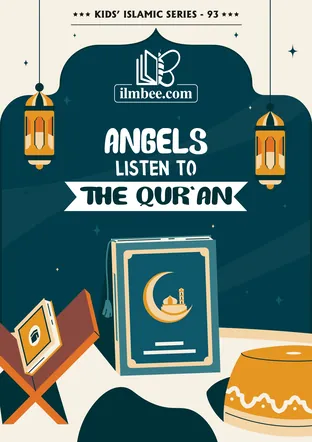
- Read Angels Listen to the Qur'an (Book 93), about the angels who came to listen to the Qur’an.
- An afternoon nap, then a short night of worship.
- Recite the month’s surah to the family.
- Make Eid cards for family and teachers.
- Plan Eid gifts, including one each child gives.
- Lay out Eid clothes and practise the takbir.
- Count the month’s good deeds and ask Allah to accept them.
How do I fit Ramadan activities into a busy day?
Use three anchors you already have, and attach one small thing to each:
- Morning (sahur or breakfast): one sentence about the day’s idea. Two minutes.
- The hour before iftar: the slowest, hungriest part of the day for the adults, and the best time for the day’s story or craft. Ten minutes.
- Bedtime: count the jar, a dua, lights out. See A 10-minute bedtime routine for a calm ten-minute version.
If you are cooking iftar while the children wait, a narrated book helps: in Series 01, Read to me lights up each word as it is read, and Watch turns the pages by itself, so a child can listen beside you in the kitchen. The first three books are free to read at /read.
Should young children fast in Ramadan?
Fasting becomes a duty when a child reaches maturity. Before that, many families let children practise, a little at a time, so that fasting feels familiar when it becomes theirs. This is an old practice: the Companions had their young children fast the day of ‘Ashura and made them toys of wool to keep them busy (Sahih al-Bukhari, Sahih Muslim). How much, and from what age, is a question for a scholar you trust, and for a doctor if your child has any health concern. Never push a child who is unwell, and stop the moment it stops being a joy.
For the general picture of Ramadan with little ones, see Ramadan with young children.
The books in this guide
From ilmbee Series 01, 100 illustrated books read in order. The first 3 are free to read.



Frequently asked questions
What can kids do during Ramadan?
Kids can do small daily acts tied to the month: help prepare iftar, hand out the dates, fill a good-deed jar, give from a sadaqah box, learn one short surah, and pray Maghrib with the family.
How do you make Ramadan special for young children?
Give the month its own routine: decorate one corner where the family prays, read one short story a day, give each child an iftar job, and mark the start of the last ten nights and Eid as events.
What are good Ramadan activities for toddlers and preschoolers?
Toddlers and preschoolers learn through their senses, so look for the new moon together, let them hand out dates at iftar, drop a bead in a good-deed jar for each kind act, and listen for the Maghrib adhan.
At what age do children start fasting in Ramadan?
Fasting becomes a duty when a child reaches maturity (puberty); before that, many families let children practise with part-days, and for your own child it is best to ask a scholar you trust and, for health questions, a doctor.
When is Ramadan 2027?
Ramadan 2027 is expected to begin around 8 February 2027, with Eid al-Fitr around 9 or 10 March 2027, but the exact dates depend on the moon sighting where you live.
Sources
Qur'an references are given as surah:ayah, with the meaning in plain English. Hadith are from the collections named.
- Qur'an 2:185 (Al-Baqarah): Ramadan is the month in which the Qur'an was sent down.
- Sahih al-Bukhari 1923; Sahih Muslim 1095: “Take sahur, for in sahur there is blessing.”
- Sunan Abi Dawud 2356; Jami' at-Tirmidhi 696: the Prophet ﷺ broke his fast with fresh dates, or else dried dates, or else a few sips of water.
- Jami' at-Tirmidhi 807: whoever gives a fasting person food to break their fast has a reward like theirs.
- Sahih al-Bukhari 1503: Zakat al-Fitr is due for every Muslim, young and old, and is given before people go out to the Eid prayer.
- Sahih al-Bukhari 1960; Sahih Muslim 1136: the Companions had their young children fast the day of 'Ashura and made them toys of wool to keep them busy.