
For parents · Seasons
Hajj for kids: what pilgrims do, and the first ten days of Dhul Hijjah
The short answer
Hajj is the journey to Makkah that every Muslim who is able must make once in their life. For children: pilgrims wear simple clothes, walk around the Kaaba, walk between Safa and Marwah, stand at ‘Arafah making dua, throw small pebbles at stone pillars in Mina, offer a sacrifice, and celebrate Eid al-Adha.

Every year, children see pictures of the Kaaba surrounded by pilgrims dressed in white, and they ask what is happening. Hajj is one of the easiest parts of Islam to make vivid for a child: there is a journey, a story, special clothes, a desert, pebbles, and a celebration at the end. Here is how to explain it, the steps in children’s words, the words every pilgrim calls out, and how to make the first ten days of Dhul Hijjah special at home.
Hajj 2027 is expected in mid-May. The first ten days of Dhul Hijjah are expected to begin around 7 or 8 May, the day of ‘Arafah around 15 or 16 May, and Eid al-Adha around 16 or 17 May, depending on the moon sighting.
What is Hajj? An explanation for children
- It is one of the five pillars of Islam (Sahih al-Bukhari, Sahih Muslim), along with the shahadah, salah, zakat and fasting in Ramadan.
- It is a duty for those who are able. Allah says Hajj to the House is owed to Him by everyone who is able to make the journey (Qur’an 3:97): healthy enough, and with enough money. The Prophet ﷺ made clear it is once in a lifetime, not every year (Sahih Muslim).
- Muslims come from every country. Allah told Ibrahim to call people to Hajj, and said they would come on foot and on every lean camel from every distant pass (Qur’an 22:27). Today they come by plane, but the idea is the same.
- Everyone looks alike. Men wear two plain white cloths, and women wear simple, modest clothes. Rich and poor stand side by side, and only Allah knows who is best.
Why do Muslims go to Makkah? The story behind Hajj
Hajj goes back to a family: Prophet Ibrahim, his wife Hajar and their son Ismail.
- Hajar and the water. Ibrahim left Hajar and baby Ismail in the empty valley of Makkah, trusting Allah. When the water ran out, Hajar ran between the hills of Safa and Marwah seven times, looking for help, and Allah made the spring of Zamzam gush out. Pilgrims walk between the same two hills today (Sahih al-Bukhari). Allah calls Safa and Marwah “among the symbols of Allah” (Qur’an 2:158).
- Building the Kaaba. Years later, Ibrahim and Ismail raised the walls of the Kaaba together (Qur’an 2:127), as a house for worshipping Allah alone.
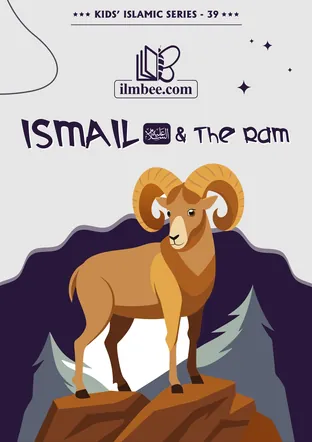
- The sacrifice. The test of Ibrahim and Ismail, and the ram, are remembered on Eid al-Adha. See Explaining Eid al-Adha to kids.
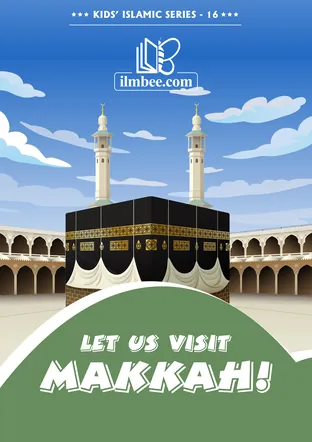
Let Us Visit Makkah (Book 16) walks children through Makkah, Zamzam, the Maqam Ibrahim and the valleys of Mina, Muzdalifah and ‘Arafah.
What do pilgrims do on Hajj? The steps for kids
This is the simple outline. The details differ by the kind of Hajj, and pilgrims learn them properly from a scholar before they go.
- Ihram. Pilgrims wash, put on their simple clothes, make the intention, and begin calling out the talbiyah.
- Tawaf. They walk around the Kaaba seven times, with the Kaaba on their left, praying and making dua.
- Sa’i. They walk between Safa and Marwah seven times, remembering Hajar.
- Mina (8th Dhul Hijjah). They go to Mina, a valley of tents, and spend the day and night in prayer.
- ‘Arafah (9th). The heart of Hajj. From midday to sunset they stand on the plain of ‘Arafah, asking Allah for forgiveness.
- Muzdalifah. They spend the night under the open sky and collect small pebbles.
- The day of Eid (10th). They throw pebbles at the largest of three stone pillars (the jamarat), offer their sacrifice, cut their hair (men often shave it) and go back to the Kaaba for tawaf al-ifadah.
- Back in Mina (11th to 13th). They throw pebbles at all three pillars on each day.
- Farewell tawaf. A last walk around the Kaaba before leaving Makkah.
Many pilgrims also visit Madinah and pray in the Prophet’s ﷺ masjid. That visit is not part of Hajj, but children love it: read Let Us Visit Madinah (Book 17) and Visiting Masjid Al-Quba (Book 92).
What do pilgrims say? The talbiyah
Called out by pilgrims from the start of ihram
لَبَّيْكَ اللَّهُمَّ لَبَّيْكَ، لَبَّيْكَ لَا شَرِيكَ لَكَ لَبَّيْكَ، إِنَّ الْحَمْدَ وَالنِّعْمَةَ لَكَ وَالْمُلْكَ، لَا شَرِيكَ لَكَ
Labbayk Allahumma labbayk, labbayka la sharika laka labbayk, innal-hamda wan-ni‘mata laka wal-mulk, la sharika lak
“Here I am, O Allah, here I am. Here I am, You have no partner, here I am. All praise and blessings are Yours, and all dominion. You have no partner.”
Sahih al-Bukhari 1549; Sahih Muslim 1184
Teach it a line a day. Children love the idea that they are saying the same words as the pilgrims at that moment.
Can children go on Hajj?
Yes. A woman once lifted up a child and asked the Prophet ﷺ whether he could make Hajj. He said, “Yes, and you will have a reward” (Sahih Muslim). How a child’s Hajj relates to the Hajj they make as an adult is a question for a scholar. Hajj authorities set their own rules on permits and ages, so check those before planning. Many families start with Umrah instead, which can be made at any time of year.
How can kids mark the first ten days of Dhul Hijjah at home?
The Prophet ﷺ said no good deeds are better than those done in these days (Sahih al-Bukhari). They are for everyone, not just the pilgrims. Some ideas:
- A good deed a day. Ten days, ten deeds: help a sibling, call a grandparent, feed a bird, give a coin.
- The talbiyah and the takbir. Learn the talbiyah, and say the takbir together as a family through these days.
- Story time. Let Us Visit Makkah (Book 16) for Makkah, then Ismail and the Ram (Book 39) for the story behind Eid al-Adha.
- A map of the journey. Draw Makkah, Mina, ‘Arafah and Muzdalifah, and move a paper pilgrim along it day by day.
- Watch with them. Show them the live pictures from Makkah or ‘Arafah, and ask what they notice.
- The day of ‘Arafah. The Prophet ﷺ said fasting it wipes away the sins of the year before and the year after (Sahih Muslim). Children can help make iftar for adults who fast, and write a dua list of their own.
Adults who intend to offer a Qurbani are told not to cut their hair or nails from the start of Dhul Hijjah until they have sacrificed (Sahih Muslim). Ask a scholar how this applies in your family.
For Eid itself, see Eid activities for kids.
The books in this guide
From ilmbee Series 01, 100 illustrated books read in order. The first 3 are free to read.
Frequently asked questions
How do you explain Hajj to a child?
Hajj is a special journey to Makkah that Muslims make once in their life if they are able, where pilgrims from every country dress simply, pray at the Kaaba and ask Allah for forgiveness together, following Prophet Ibrahim and Prophet Muhammad ﷺ.
What are the steps of Hajj, in order?
In simple order: ihram, tawaf around the Kaaba, sa’i between Safa and Marwah, Mina, the day of ‘Arafah, the night at Muzdalifah, throwing pebbles at the jamarat, the sacrifice, cutting the hair, and tawaf al-ifadah, then more days in Mina and a farewell tawaf.
Can children go on Hajj?
Yes: when a woman lifted up a child and asked whether he could make Hajj, the Prophet ﷺ said, “Yes, and you will have a reward” (Sahih Muslim), though you should check permit rules before planning.
What can kids do in the first ten days of Dhul Hijjah?
Children can do one good deed each day, learn the talbiyah, say the takbir with the family, read the story of Ibrahim and the Kaaba, and help prepare iftar for adults fasting on the day of ‘Arafah.
When is Hajj in 2027?
Hajj 2027 is expected in mid-May, with the day of ‘Arafah around 15 or 16 May and Eid al-Adha around 16 or 17 May, confirmed by the moon sighting.
Sources
Qur'an references are given as surah:ayah, with the meaning in plain English. Hadith are from the collections named.
- Sahih al-Bukhari 8; Sahih Muslim 16: Islam is built on five, among them Hajj to the House.
- Qur'an 3:97 (Al 'Imran): Hajj to the House is a duty owed to Allah by those who are able to make the journey.
- Sahih Muslim 1337: Hajj has been made obligatory on you; asked “Every year?”, the Prophet ﷺ made clear it is not every year.
- Qur'an 22:27 (Al-Hajj): proclaim the Hajj to the people; they will come on foot and on every lean camel, from every distant pass.
- Qur'an 2:127 (Al-Baqarah): Ibrahim and Ismail raised the foundations of the House.
- Qur'an 2:158 (Al-Baqarah): Safa and Marwah are among the symbols of Allah.
- Sahih al-Bukhari 3364: Hajar ran between Safa and Marwah seven times looking for help for baby Ismail, and Zamzam gushed out; the origin of the sa'i.
- Sahih al-Bukhari 1549; Sahih Muslim 1184: the talbiyah, “Labbayk Allahumma labbayk...”.
- Sahih Muslim 1336: a woman lifted up a child and asked, “Does this one have Hajj?” He said, “Yes, and you will have a reward.”
- Sahih al-Bukhari 969: no good deeds are better than those done in these days (the first ten days of Dhul Hijjah).
- Sahih Muslim 1162: fasting the day of 'Arafah expiates the sins of the year before and the year after.
- Sahih Muslim 1977: whoever intends to sacrifice should not take anything from his hair or nails once the ten days begin, until he has sacrificed.