
For parents · Seerah
Stories of the Sahaba for kids: six true stories of the Companions
The short answer
The Sahaba are the Companions of Prophet Muhammad ﷺ: the men, women and children who met him, believed in him and died as Muslims. Good first stories for children are Abu Hurairah and the bowl of milk, Anas and the gourd, Aisha and the three dates, Abu Umair’s bird, Muadh’s dua and Abu Bakr in the cave.
The Sahaba, the Companions of the Prophet ﷺ, are the best heroes a Muslim child can have: real people who were hungry, curious, kind and brave, and who loved the Prophet ﷺ more than anything. Here are six short, true stories to read aloud, each with its source and the ilmbee book that tells it.
Who are the Sahaba?
A Sahabi (plural Sahaba) is someone who met Prophet Muhammad ﷺ, believed in him, and died as a Muslim. They were men and women, rich and poor, old people and small children. Allah says He is pleased with the first believers among them and they are pleased with Him (Qur’an 9:100).
Abu Hurairah and the bowl of milk
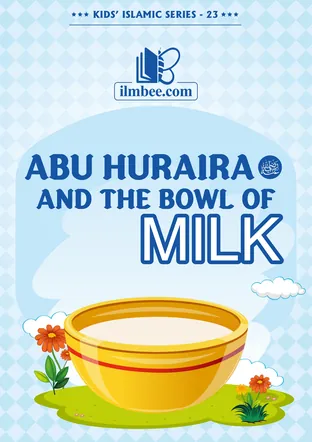
Abu Hurairah radiyallahu anhu spent his days in the masjid learning from the Prophet ﷺ, and he was often very hungry. One day the Prophet ﷺ saw his face, smiled, and took him home, where someone had sent a bowl of milk as a gift. Instead of giving it to Abu Hurairah, the Prophet ﷺ told him to call the poor students who lived at the masjid, the people of as-Suffah. Abu Hurairah worried there would be none left for him, but he obeyed. He passed the bowl to each guest until all had drunk their fill. Then the Prophet ﷺ said, “Drink,” and again, “Drink,” until Abu Hurairah said he had no room left. The Prophet ﷺ praised Allah and drank the rest (Sahih al-Bukhari). This is Abu Huraira and the Bowl of Milk (Book 23).
Lesson: obey and share, even when you are hungry. Allah can put blessing in a little.
Anas and the gourd
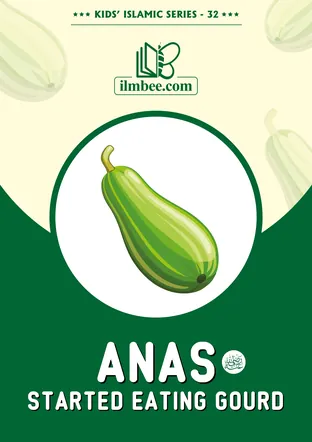
Anas ibn Malik radiyallahu anhu was still a boy when he began to serve the Prophet ﷺ. In ten years, the Prophet ﷺ never once spoke harshly to him (Sahih al-Bukhari, Sahih Muslim). One day a tailor invited the Prophet ﷺ to a meal of bread and soup with gourd and meat, and Anas went too. He watched the Prophet ﷺ picking out the pieces of gourd from around the dish, because he liked it. Anas said that from that day on, he always liked gourd (Sahih al-Bukhari, Sahih Muslim). This is Anas Started Eating Gourd (Book 32).
Lesson: when you love someone, you come to love what they love. A good one for children who are fussy about vegetables.
Aisha and the three dates
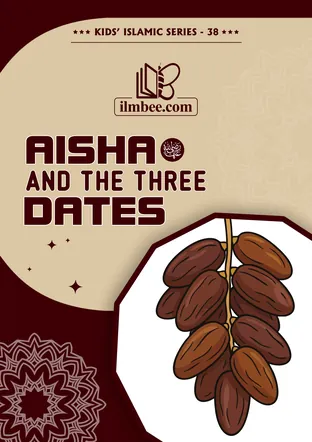
A poor mother came to the door of Aisha radiyallahu anha with her two little daughters. Aisha looked for food and found only three dates, and she gave them all. The mother gave one date to each girl and lifted the third to her own mouth, but her daughters asked for it, so she split it in two and gave them half each. Aisha told the Prophet ﷺ what she had seen, and he said that because of this mercy, Allah had made Paradise certain for that mother (Sahih Muslim). This is Aisha and the Three Dates (Book 38).
Lesson: give what you have, even if it is little, and notice the kindness of others.
Abu Umair and his little bird
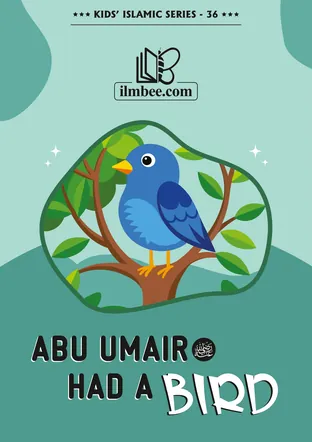
Anas had a little brother called Abu Umair, who had a small pet bird. Whenever the Prophet ﷺ visited, he would smile and ask, “O Abu Umair, what did the little bird do?” (Sahih al-Bukhari, Sahih Muslim). The greatest of people took a small boy and his bird seriously. This is Abu Umair Had a Bird (Book 36).
Lesson: be kind to younger children, and to animals.
Muadh and the dua the Prophet ﷺ gave him
One day the Prophet ﷺ took the hand of Muadh ibn Jabal radiyallahu anhu and said, “O Muadh, by Allah, I love you.” Then he told him never to leave saying this dua at the end of every prayer (Abu Dawud, an-Nasa’i). Later, when he sent Muadh to teach the people of Yemen, he told him how to teach them step by step, not to take the best of their wealth, and to fear the dua of anyone who has been wronged (Sahih al-Bukhari, Sahih Muslim). This is A Loving Advice for Muadh (Book 89).
After each prayer
اللَّهُمَّ أَعِنِّي عَلَى ذِكْرِكَ وَشُكْرِكَ وَحُسْنِ عِبَادَتِكَ
Allahumma a’inni ’ala dhikrika wa shukrika wa husni ’ibadatik
“O Allah, help me to remember You, to thank You, and to worship You in the best way.”
Sunan Abi Dawud 1522
Lesson: tell people you love them for Allah’s sake, and share good things with them.
Abu Bakr in the cave
When the Prophet ﷺ left Makkah for Madinah, his best friend Abu Bakr radiyallahu anhu went with him, and they hid in a cave. The searchers came so close that Abu Bakr could see their feet. He whispered his worry, and the Prophet ﷺ said, “What do you think of two, when Allah is the third?” (Sahih al-Bukhari, Sahih Muslim). Allah tells of this in the Qur’an: “Do not be sad. Allah is with us” (Qur’an 9:40). The whole journey is in The Hijrah for kids.
Lesson: a true friend stays by your side, and Allah is with those who trust Him.
What do the Sahaba teach children?
- Love for the Prophet ﷺ shows in small things: what you eat, how you share, what you say after salah.
- Children counted. Anas and Abu Umair were small, and their stories are still told.
- Generosity does not need much. Three dates, and a bowl of milk shared out.
- Courage and trust in Allah go together.
For more Companions, see Bilal ibn Rabah for kids and Khadijah for kids.
Questions to ask your child
- Who drank the milk first, and who drank last? Why?
- Why did Anas start to like gourd?
- What did the mother do with the last date?
- What did the Prophet ﷺ ask Abu Umair?
- Which of these Companions would you most like to be like, and why?
What age is this for?
Ages 4 to 6: start with Abu Umair, Anas and Abu Hurairah: a bird, a vegetable and a bowl of milk are easy to picture. Ages 7 to 11: add Aisha’s dates, Muadh’s dua (a good one to learn by heart) and Abu Bakr in the cave, and talk about what each person chose to do.
Each of these stories is a narrated picture book in ilmbee’s Series 01. To try the narrated books first, read 3 books free.
The books in this guide
From ilmbee Series 01, 100 illustrated books read in order. The first 3 are free to read.

Frequently asked questions
Who are the Sahaba?
The Sahaba are the people who met Prophet Muhammad ﷺ, believed in him and died as Muslims. They include his family, his friends, and many women and children.
Which Sahaba stories are best for young children?
Stories with a child, an animal or food in them work best for ages 4 to 7: Abu Umair’s bird, Anas and the gourd, and Abu Hurairah and the bowl of milk. Older children can add Aisha and the three dates, Muadh’s dua and Abu Bakr in the cave.
How many Sahaba were there?
There were many thousands of Companions; no one list holds them all. Children can start with a handful of names and the true stories that go with each.
Who was the youngest Companion in these stories?
Abu Umair, the little brother of Anas ibn Malik, was a small boy when the Prophet ﷺ used to ask him about his pet bird (Sahih al-Bukhari, Sahih Muslim).
Why should children learn about the Sahaba?
Because the Sahaba show what loving and following the Prophet ﷺ looks like in real life, and Allah tells us He is pleased with them (Qur’an 9:100). Their stories give children heroes who were honest, generous and brave.
Sources
Qur'an references are given as surah:ayah, with the meaning in plain English. Hadith are from the collections named.
- Qur'an 9:100 (At-Tawbah): Allah is pleased with the first forerunners among the Muhajirun and the Ansar, and those who followed them in goodness, and they are pleased with Him.
- Qur'an 9:40 (At-Tawbah): “Do not grieve; Allah is with us.”
- Sahih al-Bukhari 6452: Abu Hurairah, the bowl of milk and the people of as-Suffah.
- Sahih al-Bukhari 5379; Sahih Muslim 2041: a tailor's meal; the Prophet ﷺ picked out the gourd, and Anas loved gourd from that day.
- Sahih al-Bukhari 6038; Sahih Muslim 2309: Anas served the Prophet ﷺ for ten years and was never spoken to harshly.
- Sahih Muslim 2630: Aisha gave a poor mother three dates; she split the last between her two daughters; Allah made Paradise certain for the mother because of it.
- Sahih al-Bukhari 6129; Sahih Muslim 2150: “O Abu Umair, what did the little bird do?”
- Sunan Abi Dawud 1522; Sunan an-Nasa'i 1303 (graded sahih): “O Muadh, by Allah, I love you,” and the dua to say after every prayer.
- Sahih al-Bukhari 1496; Sahih Muslim 19: the Prophet's ﷺ advice to Muadh when sending him to Yemen.
- Sahih al-Bukhari 3653; Sahih Muslim 2381: “What do you think of two, when Allah is the third?”